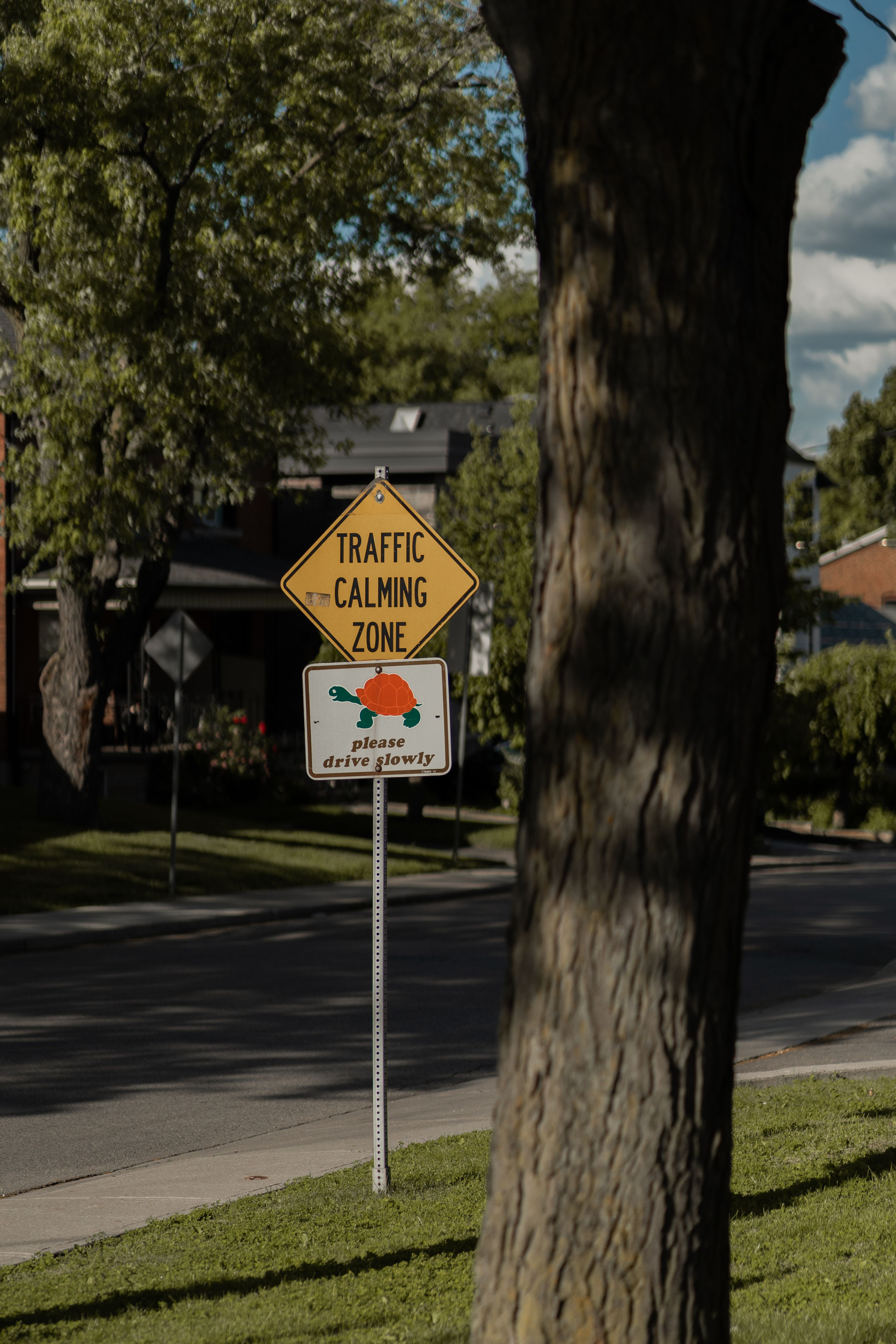
When you're anxious behind the wheel, slowing down feels like the safest thing you can do. Crawl along at 45 in a 65, stay far away from everyone, keep to the right — surely that's "safe." Yet slower isn't always safer, and many states have laws that treat very slow driving as a violation in its own right.
The rule behind the ticket
Most states have a version of the Uniform Vehicle Code rule: don't drive so slowly that you impede the normal and reasonable flow of traffic, unless slowing is necessary for safety or you're complying with the law. Many also have:
- Minimum speed laws on freeways and interstates, sometimes posted (e.g., "Minimum Speed 40").
- Left-lane rules — in many states, the left lane is for passing and you must move right if you're being overtaken. (Details vary widely.)
The wording and the penalty differ by state. Impeding is usually a minor, non-moving or low-point violation, but check how your state treats it, since fines, points and insurance effects can vary.
Why anxious drivers are at risk
- Following traffic feels dangerous, so you hang back and drop below the flow of traffic.
- Merging and highway speeds feel scary, so you accelerate late or hesitate on ramps.
- Overcautious braking at yellow lights, intersections and merges causes backups that other drivers (and officers) notice.
A pattern of slow driving can also make you a hazard in practice — traffic bunching behind you can lead to tailgating and unsafe passing.
What to do if you got a citation
- Read the exact statute on the ticket. "Impeding traffic," "minimum speed," and "left-lane violation" are different charges with different elements.
- Document the scene: posted speed limit, traffic volume, weather, road work, lane layout, and whether there were reasons to slow (rain, fog, debris, a hazard).
- Think about the officer's standard. The state usually has to show that your speed actually impeded normal flow. A single car that has to brake slightly is different from a line of vehicles stuck behind you.
- Safety defenses. Legitimate reasons to drive slowly — poor visibility, a mechanical issue, an emergency, a hazard ahead — are commonly recognized exceptions to impeding laws. Be ready to explain why briefly and factually.
- Ask about programs. For minor first offenses, some courts offer traffic school or deferred disposition. A call to the clerk — "What options does a first-time offender have for this citation?" — costs nothing.
A medical or anxiety condition isn't a legal excuse in itself and you shouldn't build a defense around it without advice from a lawyer. If it's relevant to your safety on the road, talk to your doctor.
Finding a pace that feels safe and legal
- Match the flow of traffic within the limit. A good target is "the speed limit or a few miles under it, with the rest of the lane."
- Use cruise control on open roads so you aren't constantly second-guessing your speed.
- Choose the right lane and stay there unless you need to pass, and leave a comfortable but not enormous gap.
- Practice merging on quiet roads at quiet times, building up to rush hour when you're ready.
- If you need a break, exit — don't crawl for miles. A parking lot reset beats slow-rolling a highway.
Driving anxiety is common and often improves with gradual practice; if it keeps you from driving at a normal pace, talk to a doctor or licensed professional about treatment. Our companion post on driving anxiety after a ticket covers how to rebuild confidence.
Zigpon walks you through your state's options for any violation, including the less common ones. Start here →
Educational information only — not legal or medical advice. Impeding, minimum-speed and left-lane laws differ by state; verify with your court or an attorney.